
Table of Contents
Introduction
Running a business often feels like spinning 10 plates at once. One minute you’re following up with leads, the next you’re managing invoices, replying to customer queries, and fixing internal processes. The hustle never ends.
Business automation can take a huge chunk of that workload off your shoulders. Think of it as adding a reliable team member who never forgets, never sleeps, and costs way less than a full-time hire.
Business automation helps small business, freelancers and solo’s to focus on what actually matter for them. From content creation to cold outreach, automation can help you in everything and save your time and effort
In this guide, we’ll break down how business automation helps startups and small businesses grow, which areas you can automate, tools to consider, and a simple roadmap to get started.
What is Business Automation (and Why It Matters)?
At its core, business automation is about replacing repetitive, manual tasks with smart systems and tools. Instead of you or your team manually handling every process, software does the heavy lifting.
Everyday examples you already know:
- Automated email confirmations when someone places an order
- Payroll and invoicing systems that run every month on schedule
- Scheduling tools like Calendly that eliminate endless email back-and-forths
For startups and small businesses, this matters because:
- You’re working with limited resources (time, money, people).
- Automation gives you leverage: you can handle more work without adding headcount.
- It reduces human errors that can cost you customers and credibility.
A 2023 McKinsey report found that 60% of business leaders adopted some form of automation in the past two years, mainly to save costs and speed up operations.
Key Areas of Automation in Small Businesses
Not everything in your business can (or should) be automated. But some areas are clear time-wasters if done manually.
Marketing
- Automate social media posts with tools like Buffer or Hootsuite
- Use email drip campaigns to nurture leads while you sleep
- Retarget visitors automatically through Facebook or Google Ads
Sales
- CRM reminders so you never forget follow-ups
- Automated lead scoring to focus on the hottest prospects
- Proposal and contract templates with e-signature systems
Customer Service
- Chatbots to answer FAQs instantly
- Helpdesk automation to route tickets to the right person
- Customer satisfaction surveys sent automatically after service
Finance
- Recurring billing and invoice reminders
- Expense tracking that categorizes spend automatically
- Payroll automation for small teams
Operations
- Project management alerts when deadlines are missed
- Inventory alerts before stockouts happen
- Workflow approvals that cut back-and-forth emails
Benefits of Business Automation
If you’re still wondering whether this is worth the time and money, here’s what automation delivers:
- Time Savings: Eliminate hours of manual tasks every week. For example, automated invoicing can save small businesses up to 5 hours per week.
- Cost Efficiency: Handle higher workloads with fewer staff. This reduces overhead and delays hiring until it’s truly necessary.
- Consistency: Your brand voice, communication, and processes stay the same every single time. No more “oops, I forgot to send that proposal.”
- Better Customer Experience: Faster replies and personalized touches (like birthday emails or product suggestions) boost loyalty.
- Scalability: Automation systems don’t get overwhelmed when your workload doubles, they just keep running.
Think of it this way: automation doesn’t replace people, it amplifies what a small team can achieve.
Best Automation Tools for Startups and Small Businesses
With so many tools out there, picking the right ones can feel overwhelming. Here are some tried-and-tested options that small businesses love:
Marketing & Sales
- HubSpot: All-in-one CRM with marketing automation
- Mailchimp: Email marketing with great templates
- Zoho CRM: Affordable sales automation for small teams
Finance
- QuickBooks: Accounting and payroll automation
- FreshBooks: Great for freelancers and small service businesses
- Wave: Free invoicing and bookkeeping tool
Customer Support
- Intercom: Chatbots + customer messaging
- Zendesk: Ticketing and helpdesk automation
- Drift: Conversational marketing + lead qualification
Project & Workflow Management
- Trello: Visual task management
- Asana: Workflow automation and project tracking
- Zapier: Connects apps together so you can automate almost anything
Tip: Start with one tool in one area of your business. Don’t try to automate everything at once.
How Automation Directly Fuels Business Growth
Let’s connect the dots : how does this actually grow revenue?
- Faster lead conversion: Automated follow-ups mean you respond quicker than competitors, which can increase conversion rates by up to 30%.
- Smarter decisions: Automated analytics give you data dashboards without manual reports, so you can pivot quickly.
- Reduced burnout: Your small team doesn’t drown in admin work, which keeps morale and productivity higher.
- Customer loyalty: Quick responses and consistent service mean customers stick around longer.
Mini case example: A small bakery in Mumbai automated online order tracking and delivery updates using WhatsApp + payment automation. Within six months, they doubled delivery capacity without hiring another staff member.
Getting Started: A Simple Road map
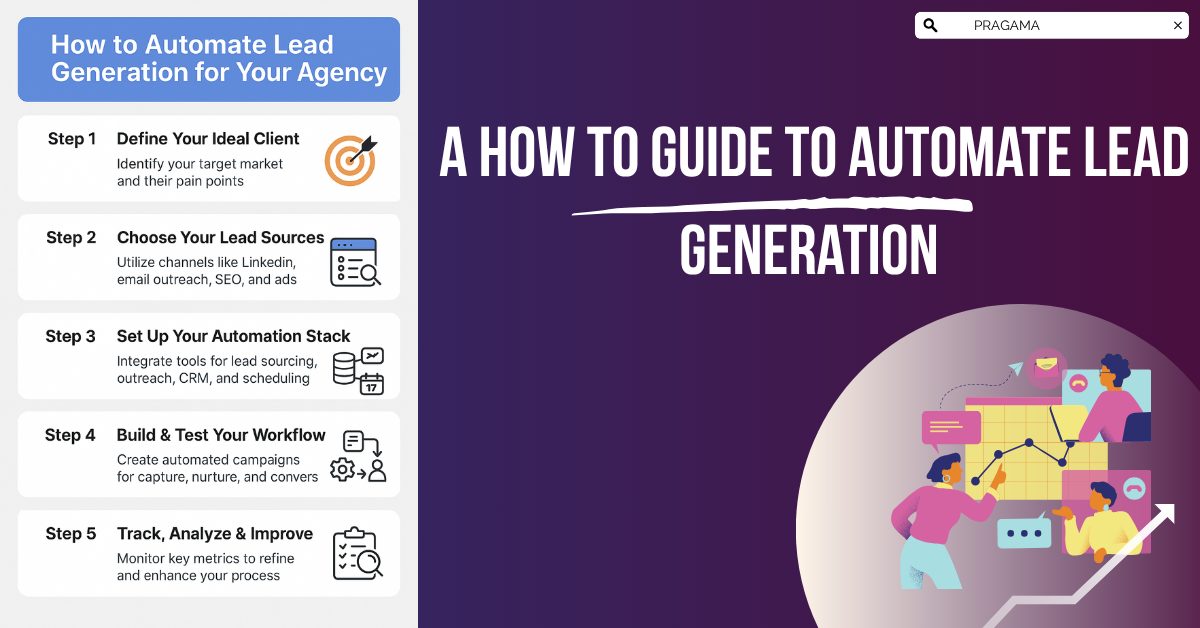
Feeling like automation is a big mountain to climb? Here’s a small step-by-step playbook:
- Identify repetitive tasks – Look at what eats up your time each week. Invoicing? Social media? Customer replies?
- Pick one area to start – Don’t automate everything. Choose the area that will save you the most hours or money.
- Choose a tool – Test free or low-cost options first (Zapier, Mailchimp, Trello).
- Run a pilot test – Automate one process and see how it impacts time, money, or customer experience.
- Train your team – Even the best automation fails if your team doesn’t adopt it.
- Measure results – Track time saved, errors reduced, or revenue lifted. Then scale to other areas.
Conclusion
Automation isn’t about robots taking over your business. It’s about creating space for you and your team to focus on the big stuff: strategy, customer relationships, and growth.
Startup founders and small business owners don’t need massive budgets to benefit. A few well-chosen tools can transform how you operate.
Actionable Summary
- Automate tasks that drain your time (invoicing, social posts, follow-ups).
- Use affordable tools like Zapier, QuickBooks, and Mailchimp.
- Start small, measure results, then expand.
- Think of automation as your growth partner, not just a cost.
Ready to scale smarter, not harder? Pick one task to automate this week and watch how it frees up your time for growth.
Want to automate your business? : Contact us and get a quote